I AM KING
Part Eleven
THE ‘I AMS’ OF JESUS
Series by Fr Gerasimos Koutsouras
St George Church, Rose Bay Sermons
Based on the book: The Great I Am’s of Jesus by Anthony Coniaris, Light and Life Pub. Co, 1969.
Sunday, 28th of April 2013
THE ‘I AMS’ OF JESUS
Series by Fr Gerasimos Koutsouras
St George Church, Rose Bay Sermons
Based on the book: The Great I Am’s of Jesus by Anthony Coniaris, Light and Life Pub. Co, 1969.
Sunday, 28th of April 2013
One thousand seven hundred and ten years ago the Roman Empire was crumbling at the seams. For the sake of some idea of civil order and discipline, the pagans felt that everyone in the empire should conform to the Roman ways. One of the aspects of that culture was that the Emperor was considered a god and you not only had to be loyal to him, but also worship him. But the only ones not playing ball were the Christians. Men, women and children were hauled in front of governors and judges, simply because they were Christian and were refusing to follow ‘the law’. In Rome, one such Christian was brought before the Emperor Diocletian himself. That Christian’s name was Genesios. He was given a chance to deny and reject his faith in Christ. Genesios fearlessly dared to look the Emperor in the eyes and said, “Illustrious Emperor, Christ is the true King!”. The Emperor Diocletian was furious. To make an example to the populace, he ordered that Genesios be tortured... ripped with claws, burned with torches and finally beheaded. Before the end, Genesios shouted: “There is no king except Christ, whom I have seen and whom I worship. For him I will die a thousand times. I am sorry... for becoming so late a soldier of the true king!”
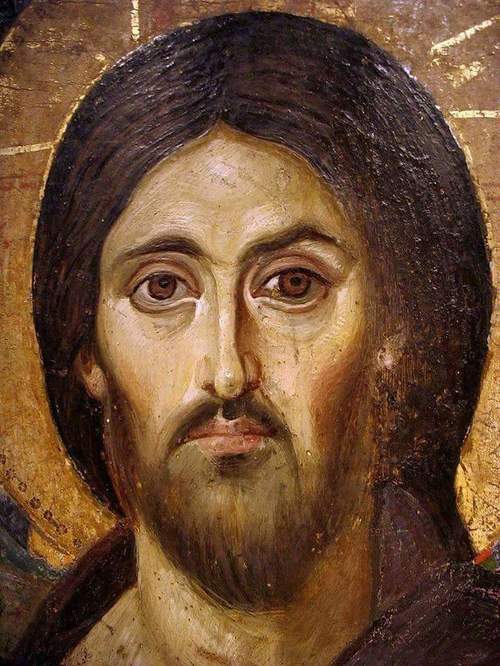
This narrative of martyrdom begun with the Lord Jesus Christ himself. He too, was brought before a governor, three hundred years earlier. The governor, Pontius Pilatus, asked him, “So, you are a king?” Jesus answered, “You said it.” [Συ είπας]. But the people who called Jesus a King... Pontius Pilate, the three wise men - did not understand what kind of king he was. A few days before his arrest, he entered the city of Jerusalem in triumph. The people went out with palms and branches waving them, welcoming him, “Blessed is he who comes in the name of the Lord!” they were shouting. They had heard that he had given sight to the blind, healed the sick, walked on water, even resurrected people from the dead. ‘Now that’s a king!’ With him as king, we will take over the whole Roman Empire, we will take over the world!
If only they knew.
Jesus Christ said, “My kingdom is not of this world.”
If it were, he would have fought against those who fought against him. But his, was a different kind of kingship. He came not to be served but to serve and to give his life as a ransom for many. He came to rule not on earthly thrones but on the throne of peoples’ hearts.
The title King is actually small for Jesus. If we call him God, then giving him the title of king is like adding a drop of water into the ocean. Because he is God, he is already everything we mean by king. He is Lord, he is ruler, he is lawmaker, he is sovereign. He is not only the first and greatest, but the Lord of lords, and King of kings so that as the Letter to Philemon says: “At the name of Jesus every knee should bow, in heaven and on earth and under the earth.” (Philemon 2:10)
There was an ancient Greek legend about a king who had performed some act of kindness to one of the gods. In return, that god promised to grant him whatever wish he desired. The king asked that everything he touched may turn to gold. So it happened. He enjoyed himself for an hour until he got hungry and reached for food. The food turned to gold. And in true tragedy, his daughter came into the room and ran into his arms, turning her into a golden monument. He immediately implored his god to be rescued from that curse.
On the contrary, Jesus is a king with a different golden touch. Whatever he touches becomes more precious than gold. He touches the souls of people and transfigures them, changes them. He touches sinners and makes them saints. He touches the weak and makes them strong. He touches the fallen and they rise. He touches the enslaved and sets them free. He touches the spiritually dead and grants them new life.
The question each one of us needs to ask ourselves is, “who is my king?”. We may very well hail Jesus as king in Church on the Sunday, but when we get to work the next day, do we bow to the balance sheet, do we worship the dollar? Then there is the question of worshipping our selves as gods, as the centre of the universe. It is one thing for the self to be our king and quite another to be king of one’s self. Let me say that again in different words...
the self is king -- versus -- being king of the self.
Who is in charge?
When the self is king, that means that my entire life is geared to what I want, when I want and whatever I want. Self-centredness, selfishness. Doing what I like, not caring what effect that has on others. The irony is that this is the path to the opposite of authority over the self... we can gradually become prisoners. Prisoners to our own habits, obsessions and passions. Prisoners of alcohol, prisoners of anger, prisoners of hate, prisoners of greed, lust and power.
Here is another story to help you understand. A king was once walking through a town market place and came across a poor farmer selling some of his goods. The king asked the farmer, “Who are you?” Knowing very well who he was talking to, the farmer replied, “I am a king.” The king scoffed, “Over which kingdom do you rule?” “I rule over the kingdom of self.” answered the farmer.
The final thing that needs to be said about kingship is about inheritance. Who inherits the kingdom when the king dies? The hardest working citizen? The most capable and meritorious person in the land? By worldly standards neither. The inheritance of the kingdom unfortunately goes to the children of the king... regardless of capability or merit. They are just born into it and may not have even worked for it. To most of us, this would be judged as unfair by our moral sensibilities. And while the plutocrats of today, the kings of the modern world, thrive by such dynastic mechanisms and perpetuate the inequality or misery which follows, even the rest of us all seem to do the same on our own smaller scale. Inheritance goes to our children, as undeserving as they may be and as detrimental as the entire process is to their familial relationship into the future.
Can the idea of inheritance be at all redeemed? From a spiritual perspective, certainly. Remember that Christ is the king who whatever he touches turns to something better than gold. The Bible says: “Come, all you blessed ones of my Father, inherit the kingdom prepared for you from the foundation of the world.” And every Sunday after Communion we say: “Save, O Lord, your people and bless your inheritance.” So who inherits the kingdom of the heavens? Who are the children of God? Are there little gods walking around the world? No. None of us are born gods and we can never become gods. None of us are meritorious enough or capable enough or deserving enough. Who among us is royalty?
None of us are born into divine inheritance. But there is one thing our king does that other kings don’t do... he adopts children. We can be adopted.
Amen.
This narrative of martyrdom begun with the Lord Jesus Christ himself. He too, was brought before a governor, three hundred years earlier. The governor, Pontius Pilatus, asked him, “So, you are a king?” Jesus answered, “You said it.” [Συ είπας]. But the people who called Jesus a King... Pontius Pilate, the three wise men - did not understand what kind of king he was. A few days before his arrest, he entered the city of Jerusalem in triumph. The people went out with palms and branches waving them, welcoming him, “Blessed is he who comes in the name of the Lord!” they were shouting. They had heard that he had given sight to the blind, healed the sick, walked on water, even resurrected people from the dead. ‘Now that’s a king!’ With him as king, we will take over the whole Roman Empire, we will take over the world!
If only they knew.
Jesus Christ said, “My kingdom is not of this world.”
If it were, he would have fought against those who fought against him. But his, was a different kind of kingship. He came not to be served but to serve and to give his life as a ransom for many. He came to rule not on earthly thrones but on the throne of peoples’ hearts.
The title King is actually small for Jesus. If we call him God, then giving him the title of king is like adding a drop of water into the ocean. Because he is God, he is already everything we mean by king. He is Lord, he is ruler, he is lawmaker, he is sovereign. He is not only the first and greatest, but the Lord of lords, and King of kings so that as the Letter to Philemon says: “At the name of Jesus every knee should bow, in heaven and on earth and under the earth.” (Philemon 2:10)
There was an ancient Greek legend about a king who had performed some act of kindness to one of the gods. In return, that god promised to grant him whatever wish he desired. The king asked that everything he touched may turn to gold. So it happened. He enjoyed himself for an hour until he got hungry and reached for food. The food turned to gold. And in true tragedy, his daughter came into the room and ran into his arms, turning her into a golden monument. He immediately implored his god to be rescued from that curse.
On the contrary, Jesus is a king with a different golden touch. Whatever he touches becomes more precious than gold. He touches the souls of people and transfigures them, changes them. He touches sinners and makes them saints. He touches the weak and makes them strong. He touches the fallen and they rise. He touches the enslaved and sets them free. He touches the spiritually dead and grants them new life.
The question each one of us needs to ask ourselves is, “who is my king?”. We may very well hail Jesus as king in Church on the Sunday, but when we get to work the next day, do we bow to the balance sheet, do we worship the dollar? Then there is the question of worshipping our selves as gods, as the centre of the universe. It is one thing for the self to be our king and quite another to be king of one’s self. Let me say that again in different words...
the self is king -- versus -- being king of the self.
Who is in charge?
When the self is king, that means that my entire life is geared to what I want, when I want and whatever I want. Self-centredness, selfishness. Doing what I like, not caring what effect that has on others. The irony is that this is the path to the opposite of authority over the self... we can gradually become prisoners. Prisoners to our own habits, obsessions and passions. Prisoners of alcohol, prisoners of anger, prisoners of hate, prisoners of greed, lust and power.
Here is another story to help you understand. A king was once walking through a town market place and came across a poor farmer selling some of his goods. The king asked the farmer, “Who are you?” Knowing very well who he was talking to, the farmer replied, “I am a king.” The king scoffed, “Over which kingdom do you rule?” “I rule over the kingdom of self.” answered the farmer.
The final thing that needs to be said about kingship is about inheritance. Who inherits the kingdom when the king dies? The hardest working citizen? The most capable and meritorious person in the land? By worldly standards neither. The inheritance of the kingdom unfortunately goes to the children of the king... regardless of capability or merit. They are just born into it and may not have even worked for it. To most of us, this would be judged as unfair by our moral sensibilities. And while the plutocrats of today, the kings of the modern world, thrive by such dynastic mechanisms and perpetuate the inequality or misery which follows, even the rest of us all seem to do the same on our own smaller scale. Inheritance goes to our children, as undeserving as they may be and as detrimental as the entire process is to their familial relationship into the future.
Can the idea of inheritance be at all redeemed? From a spiritual perspective, certainly. Remember that Christ is the king who whatever he touches turns to something better than gold. The Bible says: “Come, all you blessed ones of my Father, inherit the kingdom prepared for you from the foundation of the world.” And every Sunday after Communion we say: “Save, O Lord, your people and bless your inheritance.” So who inherits the kingdom of the heavens? Who are the children of God? Are there little gods walking around the world? No. None of us are born gods and we can never become gods. None of us are meritorious enough or capable enough or deserving enough. Who among us is royalty?
None of us are born into divine inheritance. But there is one thing our king does that other kings don’t do... he adopts children. We can be adopted.
Amen.